Maile Lei Meaning: The Plant, Gift, and Occasion
- What does a maile lei mean?
- What is maile, before it becomes a lei?
- Does maile translate directly as love or protection?
- Is every lei made in the same way?
- Why is maile seen at weddings and graduations?
- Why might a maile lei be untied at an opening?
- What does a maker's account add?
- Is maile jewellery the same gift as a maile lei?
- How can you keep the occasion's meaning with the gift?
- Sources
What does a maile lei mean?
A maile lei brings a fragrant plant into a Hawaiian practice of making, giving, and marking important occasions. Hawaiian-language sources document maile's ceremonial and hula associations; contemporary university sources record weddings, graduations, and building blessings. Its meaning is not one fixed word such as “love” or “success.” The giver, recipient, occasion, and community practice matter. A metal maile motif may reference that tradition, but it is not the plant lei itself.
The useful question is therefore not only “What does this leaf symbolize?” It is also “Who made this lei, why is it here, and who can explain this particular occasion?” Those questions make room for documented history and the people continuing the practice.
What is maile, before it becomes a lei?
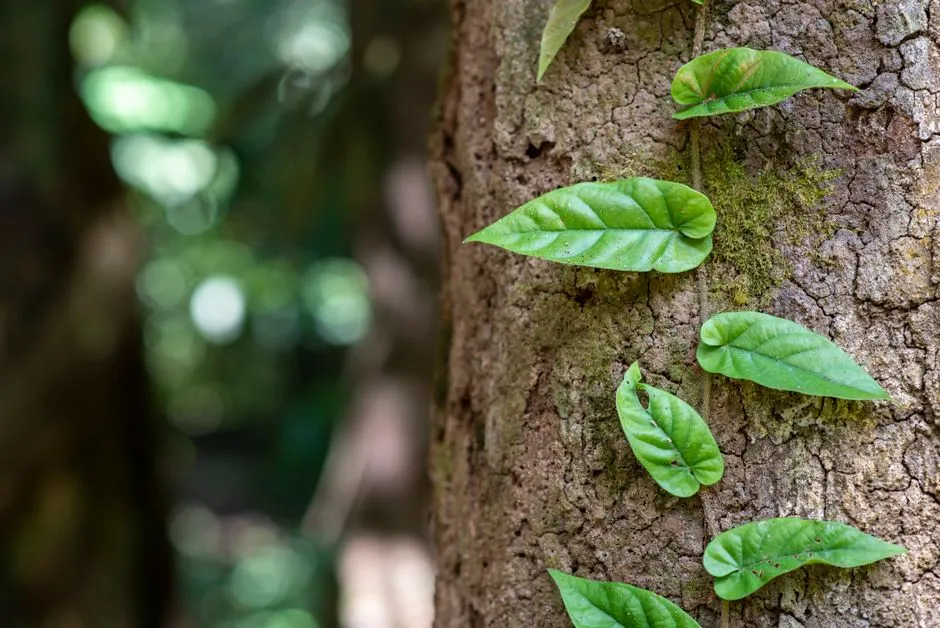
The University of Hawaiʻi Native Plants profile identifies maile as Alyxia stellata, an indigenous plant, and lists Alyxia oliviformis as a synonym. It describes variation in growth and leaf form, rather than one identical leaf outline.
For a visitor, that establishes a specific botanical reference. It does not provide a field-identification method. Do not identify, gather, eat, or prepare an unknown plant because its leaves resemble a photograph or a jewellery design. A lei is adornment, not evidence that its plant materials are food or medicine.
The same profile describes maile lei worn open and draped. That open form can be visually striking beside closed flower lei: a leafy length rests around the wearer rather than appearing as a continuous flower ring. Ask the maker or host how the particular lei is intended to be presented instead of altering it to match another necklace.
Does maile translate directly as love or protection?
Not in the plant entry. The Pukui–Elbert dictionary entry hosted by UH Hilo describes the fragrant native shrub and its use for lei and decoration on important occasions. It also records maile's relationship with Laka, goddess of hula, and use at her altar.
That is substantial cultural context. It should not be reduced to a product label promising protection, good fortune, or a particular emotion whenever someone wears a leaf.
Keep three statements separate:
- A word's definition: what a language source identifies.
- A documented association: a practice or account attributed to a source.
- A person's intention: what this giver or maker wishes to express.
A graduation gift can express pride without turning “maile” into a dictionary translation for pride. A family can attach a particular memory to its lei without requiring that memory to explain another family's occasion. Describing those relationships accurately is more useful than adding an unsupported universal meaning.
Is every lei made in the same way?
No. The University of Hawaiʻi's Kahoʻiwai resource on hana lei describes an ongoing cultural practice with multiple styles, including wili, haku, hili, and hilo. It explains that method depends on the material. A lei is not defined simply by a string passing through flowers.
Language also carries technical distinctions. Pukui–Elbert defines hilo, in one sense, as twisting, braiding, or spinning. Its lei hilo entry refers to lei hili; the lei hili entry describes a plaited lei, with ferns and maile without leaves among its examples.
These entries help a reader understand a method label; they are not a complete making lesson or a description of every maile lei sold today. In particular, do not infer that any item called “hilo” was grown or made in the city of Hilo. Ask whether the speaker means a method, a place, or both.
For learning the craft, seek instruction from a knowledgeable lei maker who can explain materials and practice. This article does not supply gathering locations, stripping instructions, or a substitute for that relationship.
Why is maile seen at weddings and graduations?
A 2023 UH Mānoa agricultural publication by Pono Chung, Alberto Ricordi, and Jari Sugano identifies maile as culturally important and records its use at weddings, building blessings, graduations, birthdays, and other celebrations.
An occasion list is not a set of compulsory assignments. It does not mean every groom must wear maile, every graduate receives the same lei, or a particular gender alone may wear it. For the event you are attending, the relevant people can explain who will receive a lei and when.
Before ordering or bringing one, ask the host:
| Occasion | Useful question | What not to infer |
|---|---|---|
| Wedding | Has the couple or family arranged lei and their presentation? | That one photograph establishes the couple's protocol |
| Graduation | When and where will lei giving take place? | That ceremony access and clothing rules are identical everywhere |
| Building dedication | Who is leading the ceremony and explaining the lei's role? | That guests should improvise a ceremonial action |
These are editorial planning questions, not quoted Hawaiian ceremonial instructions. Their purpose is to help a guest listen and coordinate.
Why might a maile lei be untied at an opening?
A concrete example is more informative than a sweeping rule. In its February 2, 2009 report on the dedication of Clarence T. C. Ching Field, the University of Hawaiʻi describes officials participating in the untying of a maile lei during the blessing ceremony.
Here, maile was part of marking the opening of a place, not simply an accessory worn by one guest. The date and event matter: this is a documented instance, not instructions for arranging a present-day ceremony.
If you are helping organize an opening, ask the person responsible for its cultural practice how it should proceed. Do not substitute your own knot, cutting gesture, speech, or explanation because you have seen an event photograph. Nor should a photograph's caption be treated as proof of what every participant privately understood.
What does a maker's account add?
In a 2021 oral history held by the National Park Service, Ted Rodrigues discusses lei making as shared activity: gathering knowledge, coming together, and making something for someone special or oneself. He also describes maile standing on its own as a lei, distinct from combinations using other materials.
That account gives the practice a human setting. It is Rodrigues's recollection, not this publication's experience, and not a statement that every Hawaiian family follows his practice.
The transcript includes gathering recollections, but its editorial footnote directs readers to current park regulations. Historical accounts are not present-day collecting permission. Do not take plants from a park, roadside, garden, or private land on the authority of an article. Learn through a qualified local practitioner and confirm permissions with the responsible land manager.
The UH cultivation paper also frames production research as a response to demand and pressure on native resources. That supports asking how material was sourced; it does not certify a particular seller or guarantee that a purchase is sustainable.
Is maile jewellery the same gift as a maile lei?
No. A bracelet or pendant can refer to a vine, a leaf pattern, or a remembered occasion. Its metal construction and the maker's design choices are different from the fresh material and making of a lei.
A person may choose either gift thoughtfully. The distinction is not a ranking of sincerity or craftsmanship. It prevents an unsupported claim that a commercial motif automatically carries the role of a lei in a specific ceremony.
If a host requested a lei, ask before substituting jewellery. If you are choosing jewellery separately, describe the maker's stated inspiration and your own reason for giving it. Our buying guides address the separate questions of construction, measurements, and material disclosure.
How can you keep the occasion's meaning with the gift?
Use a short record alongside a photograph, with permission from the people involved. This is an editorial memory aid, not a cultural certificate:
- Record the occasion and date.
- Name the maker and giver only as they wish to be identified.
- Note the materials as the maker identifies them, not from visual guesswork.
- Preserve the giver's explanation accurately; mark your own interpretation separately.
- Ask what may be shared publicly and what should remain private.
A blank field is better than an invented family story. You can remember the pleasure of receiving a lei without supplying an origin legend, ceremonial title, or translation you were never given.
For related reading, Motifs & Culture keeps design references separate from claims about living practice. The enduring lesson is specific: identify the material, recognize the documented context, and let the people connected to this lei explain what they wish to share.